


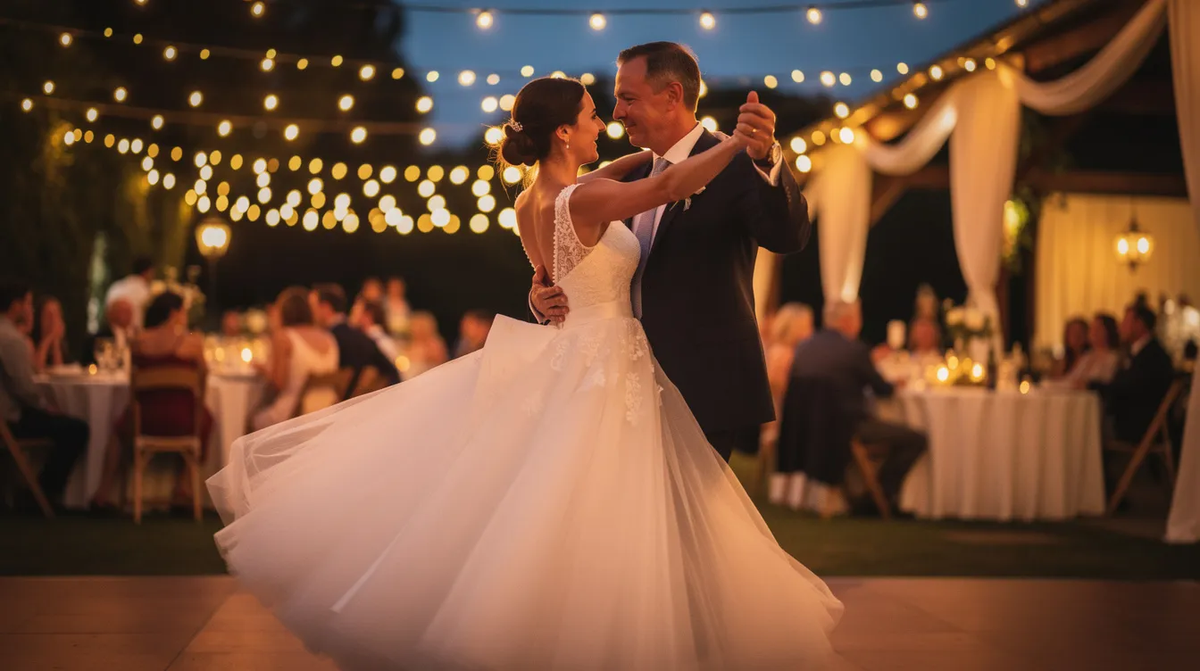
A bridal ball gown dress is a wedding gown defined by a fitted bodice and a full, dramatic skirt that flares from the waist, creating the princess-style silhouette brides love for grand, romantic ceremonies. If you grew up dreaming of a Cinderella moment or you simply want the impact of a full skirt and a jaw-dropping entrance, this timeless shape remains one of the most popular choices and is making a serious comeback in 2027 with fresh, modern twists.
For brides-to-be considering a classic, romantic, or updated ball gown for their wedding, this guide breaks down what sets the silhouette apart from an A-line dress, the neckline, waistline, fabric, skirt, or volume options that change the look, and how to match a gown to your body shape, venue, season, accessories, budget, and timeline.
The goal is simple: help you choose a bridal ball gown dress with confidence, knowing how it will look, feel, and fit your wedding vision before you step into the fitting room.
What Is a Bridal Ball Gown Dress?
A bridal ball gown dress is a wedding dress defined by its fitted bodice and full skirt, usually beginning at the natural waist and flaring out dramatically toward the floor. It's the silhouette most people picture when they think of royal weddings, grand cathedral ceremonies, and, yes, Disney fairy tale weddings like Cinderella and Belle.
Compared to other shapes, the ball gown silhouette creates the sharpest contrast between a structured upper body and a voluminous lower half. An a line dress flares gently from the waist, creating a subtle "A" shape with less drama. A mermaid hugs the body all the way down to the knees before flaring. Ball gowns go big from the waist down where layers of tulle, organza, or crinoline build that unmistakable volume.
Ball gowns are often associated with fairy tale themes and they create a dramatic entrance for brides that few other silhouettes can match. Princess Diana wore a famous ball gown wedding dress that became one of the most iconic bridal images of the 20th century. That combination of romance, structure, and showstopping presence is exactly why this shape keeps coming back.

Ball Gown vs. A-Line: How They're Different
A lot of brides confuse ball gowns with A-line dresses and honestly, the overlap can be real. Both flare from the waist, both can feel romantic and bridal. But once you understand the differences, choosing your wedding dress silhouette becomes a lot easier.
Here's how they compare:
|
Feature |
A-Line |
Ball Gown |
|---|---|---|
|
Skirt volume |
Gentle, gradual flare |
Full, dramatic volume |
|
Movement |
Easy to walk, dance, sit |
May require bustling or practice |
|
Formality |
Versatile-casual to formal |
Leans formal and statement-making |
|
Weight |
Generally lighter |
Can be heavier depending on layers |
|
Best venues |
Gardens, beaches, rustic barns |
Ballrooms, cathedrals, grand mansions |
-
Choose a line if you're planning an outdoor garden wedding, a beach ceremony, or you prioritize easy mobility throughout the day.
-
Choose a ball gown if your venue is a grand hotel ballroom, a cathedral, or a winter celebration where you want a princess moment that fills the room.
The Anatomy of a Ball Gown Wedding Dress
Understanding each part of a ball gown helps you communicate exactly what you want when you're at your bridal appointment. Here's what makes up the gown from top to bottom.
The bodice is the structured upper portion, usually built with internal boning or corsetry to shape the torso and support the bust. A structured supportive bodice balances the dramatic skirt of a ball gown, and it's especially important with strapless or sweetheart styles. The neckline sits at the top of the bodice and sets the tone: romantic, modern, regal, or minimal.
The waistline is where the fitted bodice meets the skirt. Whether it sits at your natural waist, drops lower, or comes to a basque point, this seam defines the gown's proportions. Below that, the skirt uses layers of tulle or crinolines to build volume. Ball gown wedding dresses use layers of tulle or crinolines to create that signature fullness, and some gowns include built-in hoops or petticoats for added structure.
Finally, the train extends behind the skirt from a barely-there sweep train to a dramatic cathedral length. In 2027, many brides are choosing medium-length trains that deliver the wow factor without overwhelming the reception.
2027 Ball Gown Bridal Trends You'll See Everywhere
Bridal ball gowns are currently trending with dramatic volume and updated tailoring, and 2027 is shaping up to be a standout year for this silhouette. Trend insights from sources like The Knot and bridal fashion weeks confirm that ball gowns are having a major moment.
Here's what's trending:
-
Modern necklines: Square necklines are everywhere, offering a clean, architectural look. The updated sweetheart and soft scoop neck are also refreshing the traditional ball gown feel.
-
Detachable sleeves and straps: Think off-the-shoulder puff sleeves for the ceremony that come off for the reception, lace bishop sleeves, or sheer tulle tie-straps. This is one of the biggest bridal trends for 2027.
-
Textural details: 3D florals, embossed jacquard, mikado with clean seams, and layered lace over glitter tulle for subtle shimmer are all making appearances.
-
Color beyond white: Soft ivory, champagne, blush, and pale pastel underlays are popular among brides seeking a romantic, less traditional look.
-
Sustainability: Re-wearable elements, detachable overskirts, and ethically sourced fabrics are a growing priority with 42% of brides now listing sustainability among their top concerns.
Some sought-after bridal designers for ball gowns include Monique Lhuillier and Vera Wang, and brands like allure bridals continue to offer stunning options that balance classic drama with modern edge.
Popular Necklines for Ball Gown Wedding Dresses
The bodice neckline sets the overall tone of the gown as it's the first thing people notice and the frame for your face in every photo. Here are the most popular options for ball gowns in 2027:
-
Sweetheart neckline: The heart-shaped curve is timeless and flattering for the décolletage. It photographs beautifully and works perfectly on strapless ball gowns, creating that romantic, elegant feel.
-
Strapless and straight across: A clean, classic look that puts focus on the shoulders and collarbone. Requires excellent tailoring and a secure bodice so you're not tugging all day.
-
Square and scoop neck: Structured and modern, these necklines complement 2027's trend toward minimalist yet romantic ball gowns. They pair well with clean shoulder lines or subtle straps.
-
Off-the-shoulder and portrait: A regal, enchanting vibe that frames the neck and collarbones. Perfect for brides who want coverage without a high neckline.
-
High neck and illusion: Sheer lace or tulle panels offer coverage that still feels light and bridal. Great for brides who love a vintage or modest aesthetic.
Waistlines and Bodice Styles That Define the Silhouette
The waistline placement can visually lengthen or balance the body, and for ball gowns, it's one of the most impactful design choices you'll make.
-
Natural waist: The most classic option. It sits at the narrowest part of your torso, creating a clean separation between bodice and skirt that works for many body types.
-
Basque waist: Basque waist ball gowns elongate the torso and create a classic silhouette with a V-shaped point that extends below the natural waistline. Ideal for brides who want to visually lengthen their midsection.
-
Dropped waist: Shifts the skirt's volume lower, changing the overall proportions and giving a more elongated look through the torso.
-
Corseted bodices: Strapless corset bodices offer structural support and highlight the waist with lace-up backs and internal boning. Great for brides seeking extra shaping and security.
-
Smooth, minimalist bodices: Clean mikado or satin with no embellishment allows the fabric and shape to do the talking. In 2027, many brides are pairing minimal bodices with heavily detailed skirts for contrast.
Skirt Volume, Trains, and Movement
Not all ball gown skirts are equally full, and that matters more than you might think. Ball gowns vary in skirt volume from softly full to dramatically voluminous, and the level you choose affects comfort, mobility, and your overall experience on your special day.
-
Ultra-full princess skirts use multiple layers of tulle or organza and sometimes hoops or petticoats to create maximum drama. These are stunning in grand venues with ample space.
-
Softened ball gowns use fewer layers or lighter fabrics. You still get the shape, but it's easier to dance, sit, and move through the day without feeling weighed down.
-
Train lengths range from sweep (barely extending past the hem) to cathedral (several feet of trailing fabric). Chapel length is a popular middle ground for 2027 brides.
A secure bustle is necessary for movement in a full-skirted gown, so plan to discuss bustle options with your seamstress during alterations. Layers of tulle or crinolines add volume to ball gowns, but the right layering also keeps the skirt manageable.

Fabric Choices for Ball Gown Wedding Dresses
Fabric affects everything from weight, structure, how the gown moves, and how it photographs. Ball gowns come in fabrics like lace, silk, and satin, and each one creates a completely different experience.
-
Satin and mikado: Smooth, structured, and luxurious. Mikado satin holds dramatic volume beautifully for ball gowns, making it ideal for clean, modern princess gowns and winter or formal evening weddings. Can wrinkle and feels heavier.
-
Tulle and organza: Airy, romantic, and lightweight. These build volume without too much weight, making them breathable and perfect for warm weather weddings. Lightweight fabrics like tulle or organza are preferable over heavy fabrics when comfort is a priority.
-
Lace: Adds texture and personality through overlays, appliqués, and bodice detailing. Options range from botanical 3D motifs to vintage-inspired patterns and everything in between.
-
Jacquard and brocade: Textured, woven patterns that feel regal and fashion-forward. Heavier, more rigid and best for statement brides.
-
Cotton and crepe: Softer, less common options that offer drape and breathability for casual or destination-style ball gowns.
Different fabrics like tulle, organza, satin, and lace create distinct looks, so think about your venue, season, and how you want to feel all day.
Design Details: Sleeves, Backs, and Embellishments
Small design details can transform a classic ball gown into something uniquely yours. Here's where personalization really lives.
Sleeves are having a moment: long lace sleeves, cap sleeves, off-the-shoulder drapes, detachable puff sleeves, and sleeveless looks all work with ball gowns. In 2027, brides are gravitating toward subtle shimmer instead of heavy sparkle. Think of soft glitter tulle rather than all-over crystals.
Back designs balance the full skirt: low backs, keyhole cutouts, illusion lace backs, and corset lace-up styles each add a different flavor. A corset back also provides adjustability, which is a practical win.
Embellishments include beading, sequins, pearls, embroidery, 3D flowers, and glitter tulle. These catch the light in photos and on the dance floor, adorned in a way that feels intentional rather than overdone. Pockets are increasingly common on formal ball gowns for added practicality because who doesn't want somewhere to stash a lipstick?
The key is mixing: a minimal bodice with a dramatic skirt, or a heavily embellished bodice with a clean satin skirt. Balance keeps the gown from feeling costume-like.
Detachable Sleeves, Overskirts, and 2-in-1 Ball Gowns
The rise of versatile ball gown wedding dresses is one of 2027's most exciting developments. Brides want multiple looks without multiple dresses, and designers are delivering.
-
Detachable sleeves: Wear dramatic bishop or puff sleeves for the ceremony, then remove them for a strapless or spaghetti-strap reception look. It's like two dresses in one.
-
Detachable overskirts: Full ball gown volume for the aisle that lifts off to reveal a sleeker silhouette underneath-maybe a fitted or a line dress for dancing.
-
Removable trains or capes: A cathedral-length cape for photos and the ceremony that comes off for the first dance and late-night party.
From a budget perspective, 2-in-1 gowns are smart. You get the ceremony drama and the reception ease without the price tag of two separate dresses. And in real wedding day timelines, these features create natural "reveal" moments that guests love.
Body Shape and Choosing the Right Ball Gown Silhouette
Let's get this out of the way: any bride can wear a ball gown if she loves the look. "Rules" are guidelines at best, and your dreams and confidence matter more than any chart. Ball gowns flatter most body types with their silhouette and that's part of their magic.
That said, here are some gentle ideas:
-
Curvy brides: A structured bodice with supportive straps and balanced embellishments can create a flattering, comfortable fit. The full skirt naturally balances wider hips.
-
Petite brides: Slightly less volume, vertical seam details, and a higher waistline can keep the dress from visually overwhelming a smaller frame. A basque waist can also help elongate the torso.
-
Tall brides: Extended bodice details, dramatic trains, and dropped waists complement height beautifully. Go big, you can carry it.
-
Bust considerations: The right neckline and strap options make a world of difference. Whether you need more support or less coverage, there's a bodice style that works.
The best advice? Work closely with an experienced stylist who can pull gowns you might never have considered. Some of the most unforgettable bridal moments happen when a bride tries something outside her comfort zone.

Matching Your Ball Gown to Your Wedding Venue
Your venue and your dress should feel like they belong in the same story. Ball gowns photograph beautifully but require ample space for their volume, so keep your setting in mind.
-
Grand venues (ballrooms, historic mansions, cathedrals): Rich fabrics like satin or mikado, longer trains, and more formal ball gown styles suit these spaces perfectly.
-
Outdoor gardens and vineyards: Lighter fabrics, soft tulle skirts, and details that catch natural light-sparkle, crystals, or sheer lace work beautifully here.
-
Modern lofts or art galleries: Minimalist, architectural ball gowns in mikado or crepe with clean seams and fewer embellishments.
-
Destination and beach weddings: A lighter "mini ball gown" or less voluminous style may be more practical. You can still get the princess feel with a softer skirt and a breathable fabric.
Bring photos of your venue to your bridal appointment to help your stylist suggest ball gowns that fit the space, the season, and your vision.
Seasonal Styling: Ball Gowns for Winter, Spring, Summer, and Fall
Season shapes everything from fabric weight to sleeve choices. Here's a quick guide:
-
Winter: Heavier fabrics like satin and mikado, long sleeves, faux fur wraps, and sparkling details that suit holiday or New Year's celebrations. Think elegant and warm.
-
Spring: Floral lace, 3D flowers, pastel underlays, and airy tulle skirts for a romantic garden vibe. Light enough to wear comfortably as temperatures warm up.
-
Summer: Lighter layers are essential. Strapless or off-the-shoulder styles, breathable fabrics, and manageable trains keep you comfortable outdoors.
-
Fall: Rich champagne or nude linings, textured fabrics like jacquard, and sleeves that adjust to fluctuating temperatures. Pair with seasonal foliage for stunning photos.
Accessories That Complete a Ball Gown Bridal Look
Accessories should enhance your gown, not compete with it. With a dramatic silhouette, a little goes a long way.
-
Veils: A cathedral veil echoes the drama of a full skirt. Fingertip or elbow-length veils work well for a softer look that doesn't overwhelm the dress.
-
Jewelry and headpieces: Tiaras, hair vines, earrings, and necklaces should balance your neckline. If the gown is heavily detailed, keep jewelry simple. If the gown is minimal, you can go bolder.
-
Belts and sashes: A delicate belt can define the waist or add sparkle without overwhelming the bodice.
-
Shoes: Full ball gowns often hide shoes in photos, so prioritize comfort. Wear whatever heel height lets you walk confidently and dance freely on your special day.
Planning Your Ball Gown Wedding Dress Timeline
Ball gowns often require more time for ordering, alterations, and fittings than simpler silhouettes. Here's a realistic 2027 timeline:
-
9–12 months out: Start dress shopping. This gives you time to discover your style, try multiple gowns, and order from your favorite designer.
-
4–6 months out: Most designers need this window to produce and deliver a ball gown wedding dress.
-
2–3 months out: Plan on 2–3 rounds of fittings. Ball gowns need careful alteration due to their structure, boning, and volume.
-
Rush orders: Possible but limited and typically more expensive. If you're on a tight timeline, ask your boutique about in-stock options.
Book your bridal appointment early to get the best selection and the most relaxed experience.
Budgeting for a Ball Gown Wedding Dress
Ball gowns can range widely in price, and understanding what drives cost helps you set realistic expectations.
Because ball gowns use more fabric and more structure than simpler silhouettes, they often carry a higher base price. Embellishments like hand-sewn beading, sequins, or embroidery can add 40–80 hours of handwork to a single gown. Here's what to factor into your budget:
|
Expense |
Notes |
|---|---|
|
Dress price |
Varies by designer, fabric, and detail level |
|
Alterations |
2–3 fittings; more complex for structured gowns |
|
Undergarments |
Strapless bras, shapewear, or built-in support |
|
Petticoats/crinolines |
May or may not be included with the dress |
|
Shoes & accessories |
Veil, jewelry, belt, hair accessories |
Share your budget openly with your stylist. There's no judgment, and a magical look is possible at many price levels. Alexandra's Boutique carries ball gown wedding dresses at different price points to help you discover something you love within your range.
Trying On Ball Gown Wedding Dresses: What to Expect
Stepping into a ball gown for the first time is an experience. It can feel emotional, a little overwhelming, and genuinely exciting all at once.
A few practical tips: wear nude undergarments, bring a strapless bra if you have one, and keep makeup minimal to protect sample gowns. Ball gowns can feel heavy at first, so give yourself a few minutes to adjust. The bodice should feel secure and supportive without pinching so if it's uncomfortable, say something.
While you're trying on, sit down, walk a few steps, and practice a mini walk down a pretend aisle. These movements reveal how the gown will actually feel on your wedding day. Bring 1–3 trusted guests rather than a large group to keep the focus on your feelings and comfort.
Experienced consultants can guide you toward ball gowns you might not have picked yourself and those surprises are often the ones that end up being "the dress."
Common Concerns About Wearing a Ball Gown
Some brides worry about comfort, weight, or practicality. These concerns are completely valid, and there are real solutions.
-
Movement and dancing: Bustling the train and removing detachable elements (overskirts, sleeves, trains) frees you up for the reception. Ball gowns can be heavy, so opt for lightweight materials if all-day comfort is a top priority.
-
Bathroom logistics: Enlist a bridesmaid, and the "backward" approach in a stall works surprisingly well. It's not glamorous, but it's manageable.
-
Temperature: Choose breathable fabrics for warm venues and consider the season when selecting layers and sleeve styles.
-
Overall comfort: A well-fitted ball gown can feel surprisingly secure. Proper alterations make the difference between a dress that fights you and one that moves with you.
Be open with your stylist about any mobility or sensory concerns so they can factor those into your dress selection.
Real-Life Inspiration: Ball Gown Moments for 2027 Brides
Picture a bride in January, walking through the doors of a historic mansion ballroom in a mikado ball gown with a cathedral train. The fabric catches the candlelight. Guests gasp. She feels like she's stepped into her own movie. That gown was minimal on top: a clean square neckline, no embellishments, and all drama below.
Now imagine a spring garden wedding. The bride chose a soft tulle ball gown adorned with 3D floral appliqués and a blush underlay. She paired it with a fingertip veil and simple pearl earrings. When she walked down the aisle through rows of blooming peonies, the dress and the setting told the same story.
Or consider a fall mansion celebration: a champagne-toned ball gown in textured jacquard with detachable bishop sleeves. She wore the sleeves for the ceremony and removed them for dancing. Her gown felt like it evolved with the day, and the whole experience was unforgettable.
These are the moments ball gowns create and they're different for every bride.

Caring for Your Ball Gown Before and After the Wedding
Ball gowns need special care because of their volume, layers, and often delicate embellishments. A little planning goes a long way.
Before the wedding:
-
Store the gown in a breathable garment bag, hung properly to avoid stretching.
-
Keep pets away (seriously).
-
Arrange for steaming rather than ironing because most bridal fabrics respond better to steam.
Day of:
-
Transport the gown carefully in a car with enough space. A hatchback or SUV works better than a compact sedan.
-
Have an emergency kit at the venue: safety pins, a small sewing kit, stain remover, and fashion tape.
After the wedding:
-
Get the gown professionally cleaned as soon as possible, especially the hemline.
-
Choose preservation if you want to save it for future generations, or consider shortening or dyeing it for re-wear.
Ask your bridal boutique team for recommended cleaners or preservation services familiar with ball gowns.
How Alexandra's Boutique Helps You Find "Your" Ball Gown
Alexandra's Boutique specializes in helping brides discover the ball gown that feels uniquely theirs. Our consultation process starts with the things that matter: your wedding date, your venue, your budget, your inspiration photos, and most importantly, how you want to feel on your big day.
Our stylists carry a variety of designers, fabrics, necklines, and ball gown styles, from minimalist mikado to heavily embellished lace. They're experienced in suggesting silhouettes that suit your body, managing alterations on structured gowns, and styling complete bridal looks from head to toe.
If you're ready to start your search, explore more tips and ideas on our blog for deeper dives into silhouettes, fabrics, and appointment prep. And when you're ready, book an appointment online or give us a call. Your girl-in-the-mirror moment is waiting.


